

Immediate Clinical Complications of Membrane Changes in VV-ECMO Patients
This detailed study: “Immediate Clinical Complications Occurring During Membrane Change in Patients on Veno-Venous Extracorporeal Membrane Oxygenation” by Masi Paul et al. from ASAIO Journal, examines the clinical outcomes associated with membrane changes in patients treated with veno-venous extracorporeal membrane oxygenation (VV-ECMO) for severe acute respiratory distress syndrome (ARDS). The primary aim was to evaluate…
Read
Cholesterol: A New Indicator of Survival in VA ECMO Patients with Cardiogenic Shock
A recent study by Maarten de Haan and colleagues, published in Perfusion, investigated the potential of cholesterol levels as a prognostic marker for intensive care unit (ICU) survival in patients suffering from cardiogenic shock and treated with Veno-Arterial Extracorporeal Membrane Oxygenation (VA ECMO). This life-saving technique is often used as a bridge to recovery, heart…
Read
Reevaluating the Role of P-Terminal Force in Predicting New Onset Postoperative Atrial Fibrillation After On-Pump Cardiac Surgery
In the detailed study by Mirjana Gander et al., published in the Seminars in Cardiothoracic and Vascular Anesthesia, the relationship between new-onset postoperative atrial fibrillation (POAF) and the p-terminal force in lead V1 (PTFV1) following on-pump cardiac surgeries is examined. POAF is a significant postoperative complication that heightens both morbidity and mortality rates in patients…
Read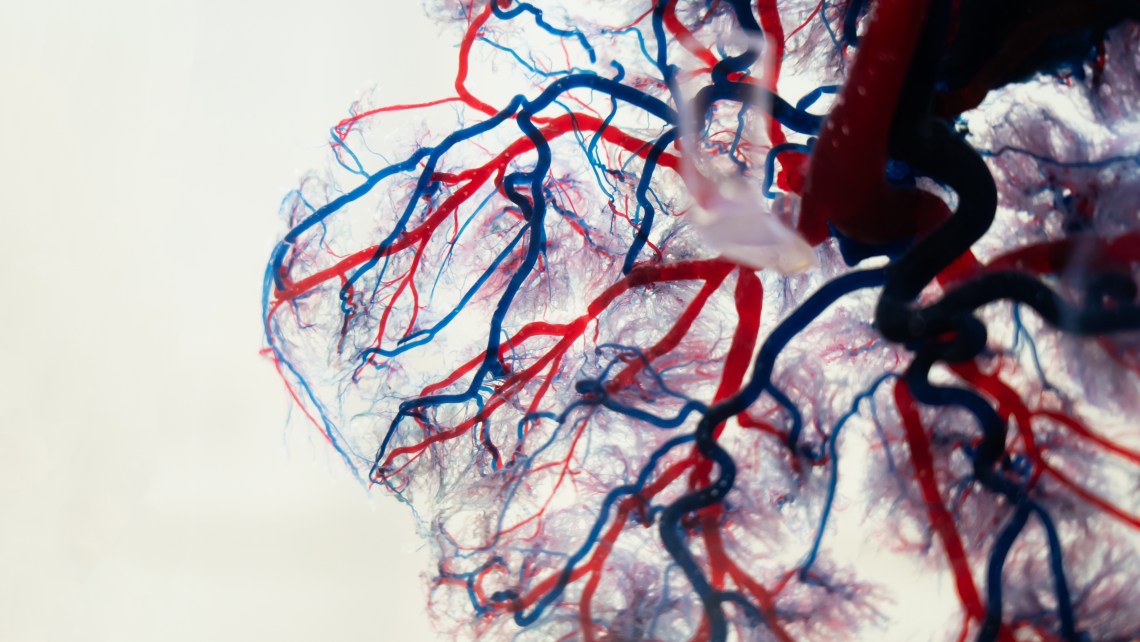
Microvascular Dysfunction Following Cardioplegic Arrest and Cardiopulmonary Bypass: The Role of Diabetes and Hypertension
This newsletter offers a comprehensive summary of a detailed review article: “Microvascular Dysfunction Following Cardioplegic Arrest and Cardiopulmonary Bypass: Impacts of Diabetes and Hypertension,” authored by Meghamsh Kanuparthy et al., published in the Biomedicines (MDPI), which investigates the severe impacts of diabetes and hypertension on microvascular dysfunction following cardioplegic arrest and cardiopulmonary bypass (CP/CPB) in…
Read
The Role of Thoracoabdominal Normothermic Regional Perfusion in Enhancing DCD Transplants
The article: “Thoracoabdominal Normothermic Regional Perfusion It Is Not All About the Heart” by Gabriel C. Oniscu discusses the advancements and ongoing debates surrounding thoracoabdominal normothermic regional perfusion (TA-NRP) in the context of donation after circulatory death (DCD). The article highlights how TA-NRP and the alternative technique of direct procurement have significantly improved the utilization…
Read
Decoding Hyperlactatemia: The Role of PvCO2 × Ve /Q in Cardiopulmonary Bypass Outcomes
The article “Relation Between Multiplication of Venous Carbon Dioxide Partial Pressure (PvCO2) and the Ratio of Gas Flow to Pump Flow (Ve/Q) with Hyperlactatemia During Cardiopulmonary Bypass” by Kowara Yos et al., published in the Annals of Cardiac Anaesthesia, delves into the significance of the PvCO2 × Ve/Q value in predicting hyperlactatemia during cardiopulmonary bypass…
Read
Sepsis-ECMO Score: A New Tool for Enhancing ECMO Support Outcomes in Sepsis Patients
The newsletter about the recent article from the ASAIO Journal titled “Sepsis-Extracorporeal Membrane Oxygenation Score in Patients Receiving Extracorporeal Membrane Oxygenation Support for Sepsis” by Fu Hongfu et al. provides a detailed overview of an innovative study that marks a significant advancement in the treatment of sepsis in adult patients requiring extracorporeal membrane oxygenation (ECMO)…
Read
Daylight Transplants: Organ Transplant Procedures through a Provincial Quality Improvement Initiative
The article “Transitioning from night to day transplants: changing the transplant culture for optimisation through a province-wide quality improvement initiative” by Lucas Streith et al., published in BMJ Open Quality, elaborates on a significant quality improvement initiative aimed at shifting organ transplants from overnight to daytime hours. Historically, these complex surgeries have been conducted at…
Read
Successful Treatment of Patent Ductus Arteriosus in Newborns with Severe Respiratory Failure During ECMO Therapy
The study by Qi-Liang Zhang and Colleagues, published in the Italian Journal of Pediatrics, explores the outcomes of patent ductus arteriosus (PDA) ligation in newborns suffering from severe respiratory failure due to persistent pulmonary hypertension of the newborn (PPHN) while undergoing extracorporeal membrane oxygenation (ECMO) treatment. This retrospective study reviews clinical data from five newborns…
Read
Impact of Extracorporeal Life Support on Liver Health and Survival Post-Lung Transplant
The article titled “Postoperative Liver Dysfunction After Lung Transplantation With Extracorporeal Life Support and 1-Year Mortality-A Cohort Study” by Cecilia Veraar et al., featured in the Journal of Cardiothoracic and Vascular Anesthesia conducts an in-depth exploration of the prevalence and consequences of liver dysfunction following lung transplants, particularly those that involve the use of extracorporeal…
Read
Redefining ECMO in Hematologic and Non-Hematologic Malignancy
This newsletter introduces a recent literature review by Roberto Rabello Filho et al., published in Frontiers in Intensive Care Medicine and Anesthesiology Section: “Extracorporeal membrane oxygenation in critically ill patients with active hematologic and non-hematologic malignancy: a literature review,” on the use of extracorporeal membrane oxygenation (ECMO) in critically ill patients with active hematologic and…
Read
Link Between Cerebral Over-perfusion and Postoperative Delirium: Insights for Cardiac Surgery Care
The study, conducted by Marcus Thudium et al. and published in the Journal of Clinical Medicine, examines the connection between cerebral over-perfusion, cortical metabolism, and postoperative delirium (POD) in cardiac surgery patients. While decreased cerebral oxygen saturation (rSO2) has been associated with POD, interventions aimed at optimizing rSO2 have produced inconclusive results. The researchers conducted…
Read