

Transforming Heart Recovery in Circulatory Death Donors
Thoraco-abdominal normothermic regional perfusion (TA-NRP), supported by Extra Corporeal Membrane Oxygenation (ECMO) devices, is emerging as a groundbreaking strategy for heart recovery in donors declared dead by circulatory criteria (DCDD). In an article published in Transplant International (by Frontiers), Mario Royo-Villanova et al. detail the potential of this approach, which restores cardiac activity by re-establishing…
Read
How Bypass Time Relative to Body Size Predicts Postoperative Complications in Cardiac Surgery
A recent study conducted by Florian Falter et al., published in Interdisciplinary CardioVascular and Thoracic Surgery, explored the impact of cardiopulmonary bypass (CPB) time indexed to body surface area (bypass index) on postoperative outcomes in cardiac surgery patients. The study focuses on the increased postoperative risks associated with prolonged CPB times, which is particularly relevant…
Read
Impact of ECMO and CRRT Circuits on Ketamine and Dexmedetomidine Levels: Adjusting Sedative Dosing in ECLS-Supported Patients
The study by Andrew Chevalier and colleagues, published in the Journal of Extracorporeal Technology, investigates how extracorporeal life support (ECLS) circuits, specifically ECMO (extracorporeal membrane oxygenation) and CRRT (continuous renal replacement therapy), affect the pharmacokinetics of sedatives ketamine and dexmedetomidine. These medications are commonly administered to patients on ECLS for pain and sedation management. ECLS…
Read
Practices and Standards in Pre-assembling and Storing ECMO Systems
The article “Clinical Practice of Preassembling and Storing of Extracorporeal Membrane Oxygenation Systems” by Patrick Winnersbach et al., published in ASAIO, explores current practices related to preassembling and storing ECMO systems in German medical centers. According to the Extracorporeal Life Support Organization (ELSO) guidelines, preassembled, primed ECMO systems can be safely stored for up to…
Read
Expanding Kidney Transplants: The Benefits of a 3-Hour Wait Policy for Donor Time to Death.
The study “Donor Time to Death and Kidney Transplant Outcomes in the Setting of a 3-Hour Minimum Wait Policy” conducted by Samuel J. Tingle and colleagues, published in JAMA Network Open, explores the potential benefits of extending the minimum wait time for organ donation after circulatory death (DCD) to address the growing demand for kidney transplants. Current international…
Read
White Blood Cell Counts as a Predictor of Heparin Requirements During ECMO in Lung Transplantation
A recent study by Koichi Kashiwa et al., published in the Journal of Extracorporeal Technology, investigated the relationship between inflammatory parameters, mainly white blood cell (WBC) counts, and the need for increased dosages of unfractionated heparin (UFH) during veno-arterial extracorporeal membrane oxygenation (V-A ECMO) in lung transplantation. The retrospective observational study included 27 patients who…
Read
Key Risk Factors for Vasoplegic Syndrome in Coronary Artery Bypass Surgery: Insights for Improved Prevention and Outcomes
A recent study by Constantin L Palm et al., published in Frontiers in Cardiovascular Medicine, investigated the risk factors for developing vasoplegic syndrome (VS) in patients undergoing coronary artery bypass graft (CABG) surgery. The vasoplegic syndrome is a serious postoperative complication that involves significant drops in blood pressure (mean arterial pressure ≤60 mmHg) and requires…
Read
Methylene Blue and Blood Transfusion Combo Shows Promise for Hemorrhagic Shock Treatment
The recent study: “Methylene Blue and Blood Transfusion in Hemorrhagic Shock Resuscitation: An Experimental Porcine Study” by André Luppi and Colleagues, published in the Brazilian Journal of Cardiovascular Surgery, explores an innovative approach to treating hemorrhagic shock using methylene blue (MB) combined with blood transfusion (BT). Hemorrhagic shock, often resulting from severe blood loss, demands…
Read
A Decade of Success: Right Thoracotomy with Central Cannulation Proves Safe and Effective for Valve Surgery
A comprehensive study: “Right thoracotomy with central cannulation for valve surgery: 10 years of experience” by Anil Sharma and colleagues, recently published in the Journal of Cardiothoracic Surgery, presents 10 years of data on valvular heart surgeries performed using the right thoracotomy approach with central cannulation. The study aimed to evaluate the early outcomes and…
Read
Anesthesia’s Role in Managing Cardiopulmonary Bypass Complications: Key Insights and Strategies
Cardiopulmonary bypass (CPB) is a crucial technique used in open-heart surgery, enabling temporary heart and lung function support during these procedures. Although CPB has become the standard approach due to its effectiveness, it is not without risks. This clinical review, titled “Complications of Cardiopulmonary Bypass From an Anesthesia Perspective: A Clinical Review,” authored by Alex…
Read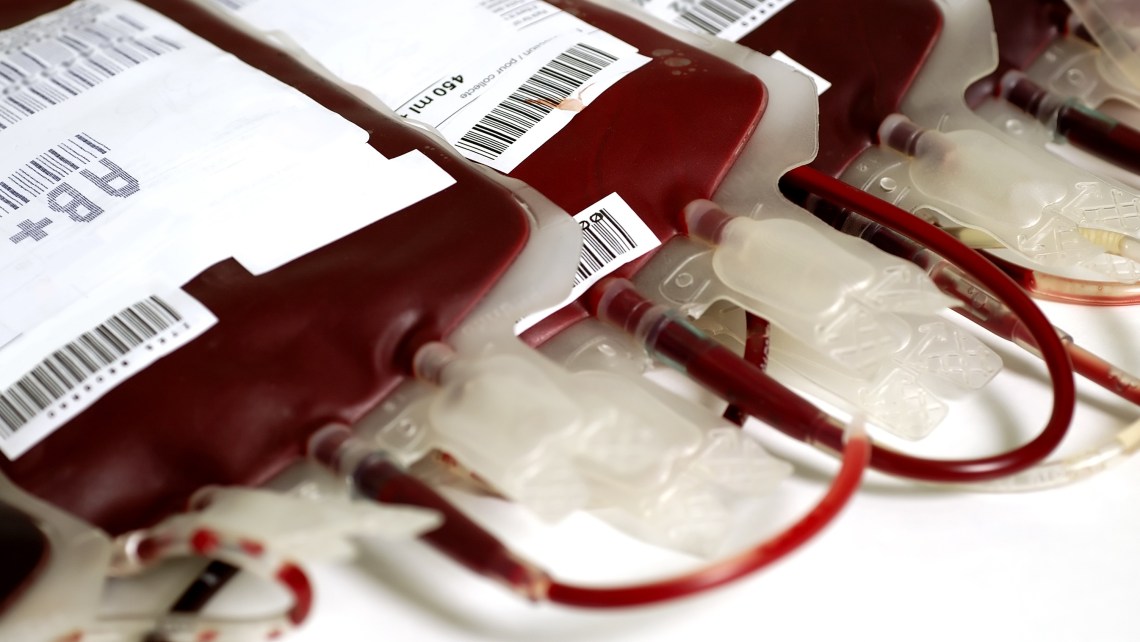
Optimizing Blood Transfusion Strategies in CABG Surgery: New Predictive Models Enhance Patient Care and Resource Efficiency
The article “Risk of Transfusion in Isolated Coronary Artery Bypass Graft: Models Developed From The Society of Thoracic Surgeons Database” by James R. Edgerton et al., published in The Annals of Thoracic Surgery, focuses on developing risk assessment models to accurately predict the likelihood and volume of blood transfusions needed during coronary artery bypass graft…
Read
Optimizing Organ Preservation in DCD: “The Critical Role of Oxygen Delivery and Metabolic Monitoring”
The Editorial by Ignazio Condello, titled “The Potential Benefits of Monitoring Oxygen Delivery about O2ERi and VCO2 During Normothermic Regional Perfusion in DCD Donors”, Forthcoming in the Journal of Extracorporeal Technologies, explores the advantages of monitoring indexed oxygen delivery (DO2i), oxygen extraction ratio (O2ERi), and carbon dioxide production (VCO2) during Normothermic Regional Perfusion (NRP) in…
Read